
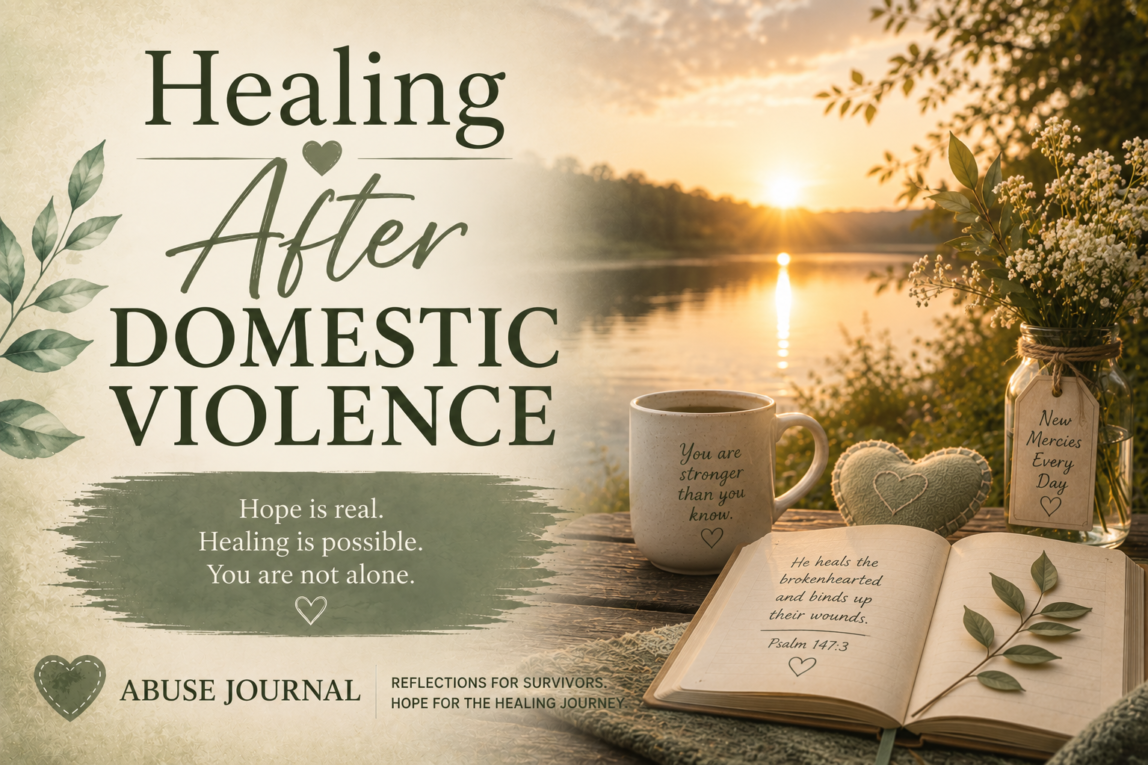
The impact of domestic violence leaves wounds that may not be visible, and healing domestic violence can take time.
The bruises may heal, threats end, and the relationship may be over, yet fear, shame, and memories endure. The process of healing domestic violence often requires more time and support than simply escaping abuse.
I know because I lived it, healing domestic violence taught me resilience.
For more than three years, I endured domestic violence. Looking back now, I can see that the abuse did not begin the day I was married. The foundation had been laid years earlier through childhood adversity, neglect, and unhealthy patterns that shaped how I viewed relationships and myself.
Healing began when I stopped asking only, “Why did this happen to me?” and started asking, “What can God teach me through this journey?”
Healing Begins with Truth
One of the hardest steps after domestic violence is acknowledging the truth.
Many survivors minimize what happened or blame themselves for the abuse they endured. Others carry guilt for staying, wondering why they didn’t leave sooner.
I understand those questions because I asked them myself.
Healing cannot begin until we honestly acknowledge what happened.
That doesn’t mean living in the past. It means bringing what was hidden into the light so it no longer has power over your life.
Looking Back with New Understanding
As I reflected on my life, I began to see patterns I had never recognized before.
Growing up in a dysfunctional home, I became accustomed to conflict, neglect, and responsibility far beyond my years. I was often the protector of my younger siblings. I learned to endure difficult situations rather than walk away.
When I met the man who would become my husband, there were warning signs.
He became physically abusive while we were dating. I knew something wasn’t right, yet I lacked the wisdom, guidance, and healthy examples that might have helped me recognize the danger for what it was.
Looking back is not about condemning ourselves for the choices we made.
It is about gaining understanding so we do not repeat the same patterns.
Why Many Survivors Stay
People often ask,
“Why didn’t you leave?”
The question sounds simple until you’ve lived it.
Fear changes the way you think.
Abuse slowly erodes confidence.
Isolation makes you believe you have nowhere to go.
When I finally reached out for help, I discovered that leaving would cost me almost everything I had.
I left because I feared for my life.
Rather than judging someone who remains in an abusive relationship, we should offer compassion, support, and hope, encouraging empathy and understanding.
Healing Required More Than Leaving
Leaving the relationship did not immediately heal my heart.
The emotional wounds remained.
Trust had been broken.
Fear lingered.
The memories followed me for years.
Real healing came as I brought those wounds before God.
Through prayer, Scripture, reflection, and time, He slowly renewed my mind and changed my heart. He helped me understand that abuse did not define my identity and that my future did not have to be controlled by my past.
When the Past Returned
More than twenty years later, something unexpected happened.
My former husband contacted me through a dating website.
His message simply asked,
“Is that you?”
For a moment, the past came rushing back.
After praying about how to respond, I wrote,
“I have forgiven you in my heart. That is all I have to say.”
His reply surprised me.
He apologized for the abuse and admitted he was no longer the same person.
Whether his life had truly changed was between him and God.
What mattered most was what God had already done in me.
Forgiveness was no longer impossible because Christ had transformed my heart and empowered me through God’s grace long before that conversation ever took place.
The Peace That Christ Gives
When I think about healing, I often return to these words from Scripture:
“And the peace of God, which surpasses all understanding, will guard your hearts and minds through Christ Jesus.” — Philippians 4:7 (KJV)
Those words became more than a verse to me.
They became my testimony.
Healing did not erase my memories.
Christ replaces fear with peace, bitterness with forgiveness, and despair with hope, helping survivors feel reassured and hopeful.
Healing Is Possible
Domestic violence changes lives, but it does not have to define them forever.
You cannot change the past.
You cannot undo what was done to you.
But with God’s grace, you can begin the healing journey by faith.
Healing starts by acknowledging the truth.
It grows through understanding.
It is strengthened by forgiveness.
And it is sustained by the peace that only Christ can give.
No matter how broken your heart may feel today, there is hope.
The God who heals the brokenhearted is still restoring lives one heart at a time.

Leave a Reply