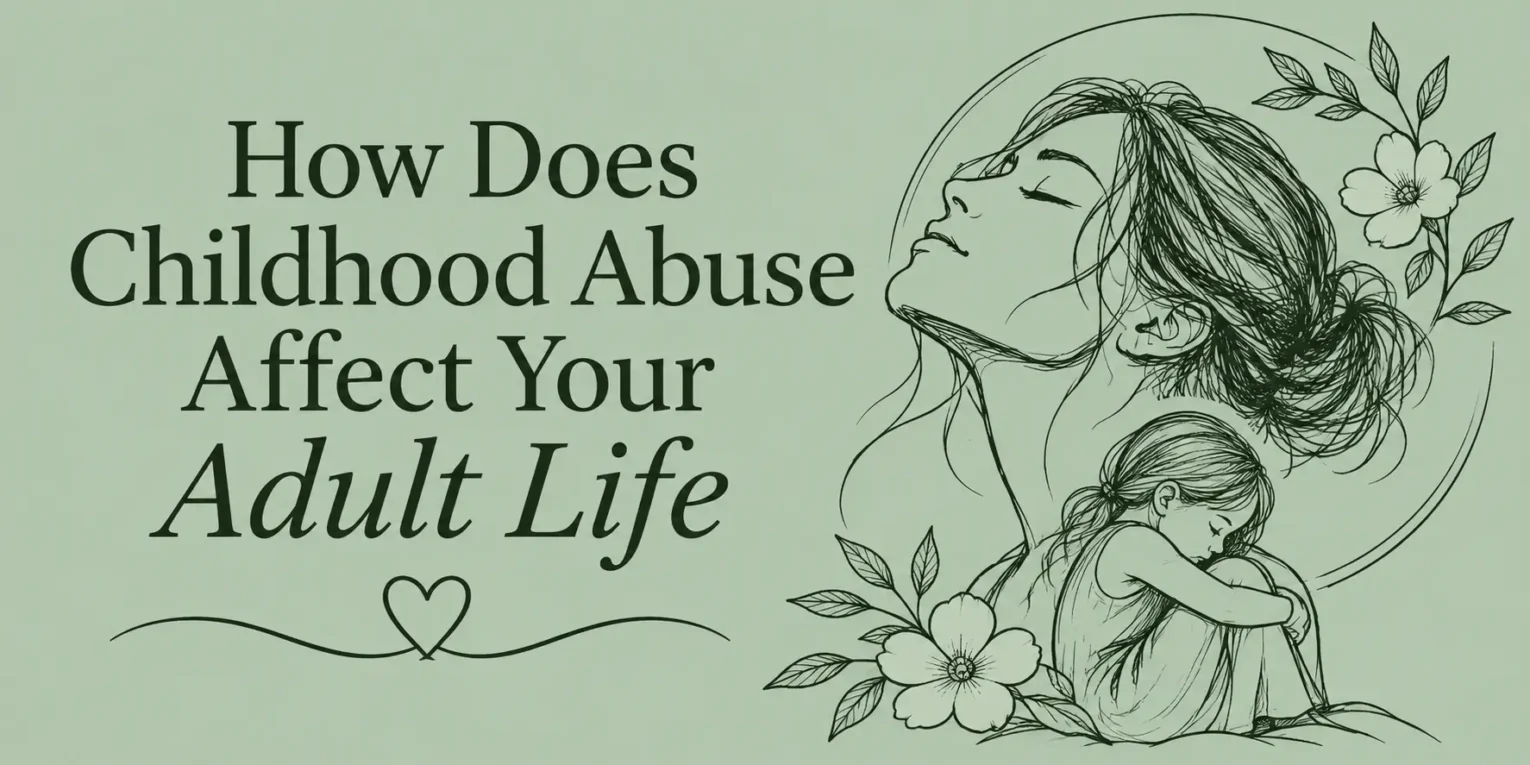
For many years, I didn’t understand the lasting effects of childhood abuse and neglect, or how those experiences affect your adult life by shaping the mindset and foundation I carried into adulthood.
I didn’t understand why I felt unloved, struggled in relationships, endured domestic violence, or never seemed to find lasting peace. I thought enduring hardships was simply a part of adult life.
What I eventually discovered was that childhood abuse doesn’t necessarily end when childhood does. The experiences that shape us as children can influence how we think, respond to others, form relationships, and see ourselves long after we leave home.
It took years of acknowledging, recognizing, and understanding the patterns of thinking and behavior rooted in my adverse childhood experiences.
Looking back now, I can see how those experiences shaped the adult I became. Understanding that truth didn’t keep me trapped in the past.
Instead, it became one of the most important steps in my healing journey.
How Childhood Abuse Shapes Your Adult Life
For many survivors, the effects of childhood abuse do not end when they leave home or reach adulthood. What they experienced can influence how they see themselves, respond to others, form relationships, and make decisions throughout life.
Sometimes, the connection between childhood experiences and adult struggles is difficult to recognize. What feels like normal behavior, familiar relationship patterns, or simply the way life has always been may actually be rooted in painful experiences that were never acknowledged or understood.
To understand how childhood abuse affects adult life, we first need to understand how childhood experiences shape the beliefs and patterns of thinking we carry into adulthood.
Childhood Abuse Can Shape Your Beliefs About Yourself and the World
Children depend on their parents and caregivers to provide more than food, clothing, and shelter. They need emotional security, encouragement, affection, guidance, and protection.
These early experiences help shape a child’s understanding of themselves, their relationships, and the world around them.
When children grow up in an abusive or dysfunctional environment, that foundation can become distorted.
Instead of learning that home is safe, they may learn to anticipate danger. Instead of feeling valued and protected, they may feel unwanted, unimportant, or responsible for keeping the peace.
Children who grow up in these environments may begin to believe:
- Their feelings and needs do not matter.
- They are responsible for other people’s anger or behavior.
- Love must be earned through pleasing others.
- Conflict and intimidation are normal parts of relationships.
- Their voices do not matter.
- They cannot depend on anyone but themselves.
These beliefs can follow children into adulthood, influencing their self-worth, expectations, and understanding of healthy relationships.
My Experience
Growing up, I didn’t have the parental guidance and emotional security a child needs. My father was volatile and abusive, while my mother was emotionally absent and unable to provide the protection and nurturing I desperately needed.
Dysfunction, secrecy, and an environment where children learned to manage circumstances they should never have had to handle.
I became strong-minded and learned to stand up for myself and protect my younger siblings. I grew accustomed to difficult situations and took on responsibilities beyond my years.
What I didn’t understand was how much of my childhood environment became part of the foundation I carried into adulthood.
I learned to survive, but I never learned what a healthy family or relationship should look like.
Looking back, I realize being strong wasn’t always the same as being emotionally healthy. I learned to endure difficult circumstances, protect others, and keep moving forward. Still, I understood little about what it meant to feel safe, secure, and loved.
Those early experiences influenced the expectations and beliefs I carried into adulthood.
Related Article
The Lasting Effects of Child Sexual Abuse
How Does Childhood Abuse Affect Your Self-Worth?
One of the painful consequences of childhood abuse is the way it can change how a person sees themselves.
Children do not always understand why adults hurt, neglect, reject, or mistreat them. Without proper guidance and reassurance, they may internalize those experiences and begin to believe something is wrong with them.
They may grow up feeling ashamed, inadequate, unlovable, or unworthy of kindness.
Even after becoming adults, these feelings can remain beneath the surface.
Some survivors struggle with:
- Low self-esteem and a lack of confidence.
- Feelings of shame or embarrassment about their past.
- Difficulty accepting love, kindness, or compliments.
- Fear of rejection or abandonment.
- Constantly questioning their worth.
- Feeling responsible for things that were never their fault.
The painful truth is that children sometimes blame themselves for circumstances they couldn’t change.
They may spend years trying to become good enough, lovable enough, or worthy enough to receive the care and affection they should have received during childhood.
But abuse is never a reflection of a child’s worth.
You were not responsible for the actions of the adults who were supposed to protect you. Their failure to provide a safe and loving environment did not determine your value.
How Does Childhood Abuse Affect Adult Relationships?
The relationship patterns we experience during childhood can influence what we expect from relationships later in life.
Children learn about love, trust, communication, affection, and boundaries through the people raising them.
When those relationships are unhealthy, children may enter adulthood without a clear understanding of what healthy love looks like.
They may confuse control with protection, jealousy with affection, or emotional dependency with love.
Some survivors find themselves repeatedly entering relationships with people who are controlling, manipulative, emotionally unavailable, or abusive. Others struggle to trust people, maintain emotional connections, or feel comfortable allowing someone to get close.
These difficulties can develop in different ways.
Difficulty recognizing unhealthy behavior
When dysfunction has been part of everyday life, unhealthy behavior may not seem unusual at first.
What should be a warning sign may feel familiar because you experienced similar behavior in childhood.
Fear of abandonment
A child who experienced rejection, neglect, or emotional abandonment may grow into an adult who fears losing relationships.
This fear can make it difficult to establish boundaries or walk away from unhealthy situations.
Difficulty understanding healthy love
When you haven’t experienced consistent love, respect, and protection, it can be hard to recognize what healthy relationships should look like.
You may tolerate behavior that should never be accepted because you have become accustomed to enduring difficult circumstances.
My Experience
For much of my adult life, I didn’t understand how my childhood experiences shaped my relationships.
I entered adulthood without the healthy relationship guidance and parental support that might have helped me recognize unhealthy behavior earlier.
At seventeen, I began a relationship that already displayed warning signs of abuse. I recognized some of those behaviors, but I didn’t have the understanding, support, or foundation to navigate relationships healthily.
After marrying at eighteen, I found myself in a domestic violence situation that would change the course of my life.
Looking back, I began to understand that my childhood had influenced what I considered familiar, what I tolerated, and what I believed relationships were supposed to look like.
This does not mean childhood abuse makes someone responsible for an abusive partner’s actions. The person committing the abuse is responsible.
But understanding the relationship between childhood experiences and adult choices can help survivors recognize patterns they may not have understood before.
Why Do Childhood Abuse Survivors Struggle With Trust?
Trust begins developing in childhood through relationships with parents and caregivers.
Children need to know that the people responsible for their protection will provide safety, consistency, and care.
When those expectations are repeatedly broken, developing trust can become difficult.
For some survivors, the people who should have protected them were the very people who caused their pain. Others experienced neglect, rejection, manipulation, or abandonment from those they depended on.
These experiences can shape how they view relationships and others’ intentions.
As adults, survivors may:
- Question whether someone genuinely cares about them.
- Become suspicious of other people’s motives.
- Struggle to accept kindness without expecting something in return.
- Keep emotional distance to avoid being hurt.
- Find it difficult to depend on others.
- Expect rejection or betrayal even in healthy relationships.
Sometimes, the difficulty is not simply trusting another person. It is believing that someone could genuinely care without wanting something in return.
My Experience
For me, learning to trust genuine concern and friendship has been difficult.
When you have experienced abuse and been let down by the people who were supposed to love and protect you, it can become difficult to believe that someone cares without having an ulterior motive.
You begin looking for clues in people’s words and actions. You question their intentions and wonder what they might want from you.
Is it money? Is it sexual pleasure? Are they simply being nice because they expect something in return?
It becomes difficult to accept kindness at face value.
I have come to understand that the absence of genuine care and protection during childhood can shape what you expect from people throughout adulthood.
Learning to trust is not always easy, especially when your earliest experiences taught you that the people closest to you could cause the greatest pain.
How Does Childhood Abuse Affect Emotional Responses?
Children growing up in unpredictable or abusive homes often learn to pay close attention to the moods and behaviors of the adults around them.
They may become accustomed to anticipating anger, avoiding conflict, or trying to prevent situations from escalating.
Some become the peacemakers. Others become defensive, withdrawn, or quick to react.
These responses may have helped them navigate difficult childhood circumstances, but they can become challenging when carried into adulthood.
For example:
- You may become anxious when someone raises their voice.
- You may avoid confrontation even when something needs to be addressed.
- You may become defensive when you feel criticized.
- You may struggle to express anger in healthy ways.
- You may suppress your feelings to avoid upsetting others.
- You may feel responsible for keeping everyone around you happy.
Not every survivor responds in the same way. Some become emotionally guarded, while others struggle with overwhelming emotions. Some learn to avoid conflict, while others constantly fight to feel heard or protected.
These responses are not character defects. They may be adaptations developed in an environment that lacked emotional safety.
Understanding where these patterns originated can help survivors begin responding to life differently.
What Happens When Children Take on Adult Responsibilities?
Some children growing up in dysfunctional households are forced to take on adult responsibilities.
They may become caregivers to younger siblings, protect other family members, manage household responsibilities, or attempt to keep the family functioning.
This is sometimes described as parentification.
Instead of receiving the care and protection they need, these children learn to become responsible for others.
They may grow into adults who:
- Feel responsible for everyone’s problems.
- Struggle to ask for help.
- Put other people’s needs ahead of their own.
- Feel guilty when they establish boundaries.
- Become uncomfortable when they are not in control.
- Believe they must always be strong.
Being dependable, compassionate, and responsible can be wonderful qualities.
But there is a difference between choosing to care for others and feeling obligated to carry burdens that aren’t yours.
My Experience
I became my younger siblings’ protector and caregiver. I learned to stand up for them, handle difficult circumstances, and take on responsibilities beyond what a child should have been expected to manage.
Being strong became part of my identity.
But strength can come at a cost when a child never has the chance to be a child.
For many years, I continued carrying the burdens of others into adulthood. I was accustomed to being the one who endured, managed, protected, and kept going.
It took time to understand that I did not have to carry everything alone.
How Does Childhood Abuse Contribute to Generational Dysfunction?
Abuse and dysfunction can affect more than one generation of a family.
Children who grow up witnessing unhealthy relationships, emotional neglect, intimidation, or violence may carry those experiences into their own families.
Without awareness and meaningful change, unhealthy beliefs and behaviors can become familiar patterns that are repeated.
This does not mean every child who experiences abuse will become abusive. Many survivors work hard to create healthier lives and protect their own children from the circumstances they experienced.
However, unresolved family dysfunction can influence how future generations understand parenting, relationships, communication, discipline, and love.
Sometimes, parents repeat what they learned because it is all they know.
Others may recognize that something is wrong but struggle to understand how to change it.
Breaking these patterns begins with recognizing that what happened in one generation does not have to determine the next.
Understanding family history can provide valuable insight, but it does not excuse abusive behavior or remove responsibility from those who cause harm.
We cannot change what happened in the past, but we can begin making different choices in the present.
Related Article
Breaking the Cycle of Generational Trauma
Can Childhood Abuse Affect Your Identity and Life Choices?
When childhood is shaped by adversity, much of a person’s energy may be spent surviving rather than developing a healthy sense of identity.
Instead of discovering interests, exploring opportunities, and developing confidence, children may spend their formative years managing fear, instability, and family problems.
Some grow into adults who struggle to understand who they are outside the roles they assumed during childhood.
They may identify themselves as the strong one, the caretaker, the peacemaker, or the person who never gives up.
Others may feel as though their past has defined their entire lives.
Childhood abuse can also influence education, employment, financial decisions, parenting, and opportunities for personal growth.
When a person spends years navigating difficult circumstances without adequate support, it can be harder to recognize possibilities beyond survival.
Yet childhood circumstances do not have to define adulthood.
You are more than what happened to you.
You are more than the roles you were forced to assume.
And you are not required to spend the rest of your life repeating the patterns you learned while trying to survive.
Why Do the Effects of Childhood Abuse Sometimes Surface Years Later?
One of the difficult things about childhood abuse is that its effects are not always immediately recognized.
Some children become so accustomed to their circumstances that they do not understand how unhealthy their environment really is.
They may believe their family is normal, even when it is far from healthy.
Others focus so much on getting through each day that they have little opportunity to process what is happening.
As adults, they may keep living by the beliefs and patterns they developed in childhood.
Sometimes, a significant life event, relationship, personal loss, or period of reflection is needed for the connection to become clear.
My Experience
For decades, I didn’t fully understand how much my childhood affected my adult life.
I had experienced childhood abuse, neglect, and family dysfunction, followed by an abusive marriage and years of difficult circumstances.
I knew I had endured painful experiences, but I had not fully connected those experiences to the way I viewed relationships, love, family, and myself.
At forty-six, an unexpected encounter with my estranged, abusive husband brought buried emotions and painful memories rushing to the surface.
The emotional walls I had built over the years began to come down.
For the first time, I began looking at my childhood and adult experiences together.
I started recognizing patterns that had been present throughout my life but had never made sense to me before.
I began to understand that some of the struggles I experienced as an adult had roots in a childhood I had spent years trying to leave behind.
That realization was painful, but it was also illuminating.
I finally began to understand the foundation beneath my life.
10. How Can You Begin Healing From Childhood Abuse?
Understanding how childhood abuse affects adult life is not about dwelling on the past or assigning blame for every difficulty you experience.
It is about recognizing what happened, understanding how those experiences may have influenced you, and learning that you can build a different future.
For many survivors, acknowledging the past is one of the most difficult steps.
There may be years of shame, fear, guilt, and confusion to work through.
But healing can begin when you stop pretending painful experiences didn’t matter.
Here are several important steps to consider.
Acknowledge what happened.
You cannot change the past, but you can begin by being honest about it.
Recognize that what happened to you was not your fault. You were a child who deserved safety, love, and protection.
Recognize unhealthy patterns.
Look at the beliefs, behaviors, and relationship patterns that may have developed during childhood.
Ask yourself whether certain reactions, fears, or expectations are connected to experiences you endured.
Learn what healthy relationships look like.
Healthy relationships are built on honesty, mutual respect, appropriate boundaries, and provide trust and compassion.
You don’t have to accept mistreatment just because it feels familiar.
Allow yourself to grieve.
Healing may involve grieving the childhood you deserved but never experienced.
It may mean acknowledging the love, protection, guidance, and opportunities you lacked.
Permit yourself to recognize those losses.
Seek support when you need it.
You do not have to work through painful experiences alone. Trusted people, survivor support groups, and qualified professionals can provide valuable guidance and support.
Make room for faith and spiritual growth.
If you find strength in your relationship with God, faith can provide comfort, encouragement, and a renewed understanding of hope.
God’s love does not require you to deny what happened or pretend that abuse was acceptable.
You can acknowledge the truth while trusting that your past does not have to determine your future.
Finding Healing Through Faith, Truth, and Reflection
My own journey toward healing involved confronting the truth about my childhood, acknowledging the impact of domestic violence, and examining the patterns that had followed me into adulthood.
For a long time, I did not understand the connection between my past and the life I was living.
But as I began reflecting on my experiences, writing about painful memories, and looking at my life through the understanding I was gaining through faith, things gradually became clearer.
Writing became an important part of that process.
It gave me a place to examine my thoughts, acknowledge feelings I had kept hidden, and begin making sense of experiences that had once seemed disconnected.
I discovered that the things I had spent years trying to bury needed acknowledgment before I could truly understand their influence on my life.
One of the most important lessons I learned was this:
You cannot heal what you do not acknowledge.
That does not mean healing requires remembering every detail or revisiting every painful experience. It means allowing yourself to recognize the truth of what happened without carrying the shame of someone else’s actions.
Faith also became an important part of rebuilding my life.
Romans 12:2 speaks about the renewing of the mind. This scripture reminds me that the beliefs and patterns we have carried for years don’t have to stay unchanged.
Through God’s grace, I began to understand that the foundation built in childhood didn’t have to remain broken.
The Lord became the cornerstone of my life, helping me rebuild through truth, faith, forgiveness, and a growing understanding of His love.
Forgiveness was part of my journey, but I learned that forgiveness does not mean excusing abuse, denying the harm, or allowing someone to hurt you again.
You can forgive while maintaining healthy boundaries and recognizing others’ responsibility for their actions.
Healing is not about changing what happened.
It is about no longer allowing the darkness of the past to define everything that comes next.
Related Article
Seeing Abuse Through the Lens of Faith
Broken Foundations Do Not Have to Remain Broken
Childhood abuse can leave lasting effects on the way we think, feel, relate to others, and understand ourselves.
It can influence the relationships we enter, the choices we make, the burdens we carry, and the expectations we have for life.
Sometimes, we spend years trying to understand why certain patterns keep appearing in our lives without realizing they may have started in childhood.
But understanding the past can bring clarity to the present.
You may begin to recognize that the fear you carry has a history. The shame you feel was never yours to own. The unhealthy patterns you have repeated may have developed in an environment where you were never taught something different.
And the child who learned to survive was never responsible for the circumstances that made survival necessary.
You deserve to experience love without fear, build relationships on respect, and live a life not continually shaped by yesterday’s pain.
Your childhood may have shaped the foundation of your adult life, but it does not have to determine how the rest of your story unfolds.
Through truth, reflection, faith, and a willingness to grow, you can begin building something different.
Broken foundations do not have to remain broken forever.
Darkness does not get the final word.
If you are struggling with the lasting effects of childhood abuse, know that you are not alone. Your experiences matter, your healing matters, and your past does not define your worth.
Leave a Reply