
Writing a memoir about childhood adversity, abuse, and difficult life experiences is not simply a matter of remembering what happened and putting it into words. It involves revisiting memories, processing emotions, grieving losses, examining past choices, and discovering life lessons that bring a new perspective to the story.
For some, the process may take months. For others, it may take years.
My own journey took ten years.
What began as a place to express emotional anguish eventually became a memoir about overcoming abuse, discovering who I was, and finding freedom through God’s transforming love and grace.
Along the way, I discovered that completing a memoir presented challenges I hadn’t anticipated. It required more than remembering the past. It required the courage to look at it honestly, understand its influence on my life, and become vulnerable enough to share my story.
Remembering Childhood Adversity and Unhappy Memories
I didn’t start writing to complete a memoir.
I started writing from a place of emotional anguish after an unexpected encounter with an estranged, abusive husband on a dating website. I could no longer ignore the despair that had been mounting inside me for years.
I remember when the memories came spilling out as I curled up on the living room floor and sobbed for over an hour. Memories of childhood abuse and neglect, moments of living in fear of domestic violence, and recollections of running in fear for my life.
I wanted a place to write where no one would recognize me, so I started a Tumblr blog. The platform felt safe because no one knew who I was or where I lived. I began writing random thoughts and feelings as memories surfaced.
I had stuffed the heartache down so deeply that it took time to revisit those moments in depth as I wrote. I learned to take it slowly and not bring every difficult memory to the surface at once. I didn’t want to become disheartened by overwhelming grief.
One day, I decided to open a blank Word document, title it Abnormal Me and God, and start writing about my experiences in depth. Less than a month later, I renamed the document Abused Me and God. The saved document is dated April 1, 2015.
I wrote an introduction that read:
“This true story is a very personal account of my transition from years of subjection to sexual abuse and child abuse as a child and young girl and domestic violence as an adult to a life of freedom as a healthy woman who knows who she really is and who can share her love and resources with others in relationships that function in accord with God’s transforming love and grace in my life.”
I went on to write about A Dysfunctional Mindset, which began:
“I was totally heartbroken at the age of 46 when a 20-plus-year relationship had ended, and the world of dysfunction had stopped spinning around ME. I had finally broken free of another unhealthy relationship, and the healing process for ME could begin.
In the months that followed, I would finally come to the realization of how abusive and dysfunctional our family truly was growing up, and how much this dysfunctional family upbringing had affected every area of my life up until this point.
This dysfunctional upbringing had affected the mindset I had about life, love, family, relationships, and sexual behavior. It was so embedded into my patterns of thinking that it didn’t seem abnormal to me at all.
These patterns of thinking are so difficult and almost impossible to recognize when you’re in the midst of this dysfunctional storm. It almost feels like your world is always spinning, and the stormy seas keep shifting your life from turbulent to calm, then back to turbulent again.
Life’s waves hit you hard, and you always manage to come back stronger than before. You’re born into a cycle of dysfunction with abuse, and you come out a fighter who is strong like iron, and it’s almost impossible to knock you down.
I wasn’t Abnormal!
I was just being ME!
I was the child my parents had raised me to be. The thoughts that filled my mind about life, love, family, relationships, sexual behavior, patterns of thinking, and ways of being and acting came from them.
The mindset of my parents, who perhaps were also raised in a dysfunctional home with abuse, neglect, and the patterns of thinking, ways of being, and acting in life, was being repeated once again in ME.
These patterns are handed down from one generation to the next without a thought for change, which is true for much of what we all learn. There is little to no chance for the children who suffer from this cycle of dysfunction and child abuse to heal their minds and inner spirits, and little chance for a life of normalcy.
The only way these children and adult victims of abuse stand a chance is for others to stand up and speak out about abuse, and share their experiences living with child abuse, sexual abuse, and domestic violence.
This is ME, the strong one who has a voice that will not be silenced.”
I didn’t know it then, but this was the beginning of writing a memoir.
A rough draft is where you write everything down without worrying about being perfect. My first rough draft covered many of the chapters that would eventually appear in the finished book. However, the stories and thoughts were mostly surface-level reflections.
It took several more years to explore the memories and process the emotional aspects of my experiences in depth.
Related Post: Why Did You Start a Reflective Life Writing a Blog
Processing Emotional Responses to Memories
As I continued writing, I moved from Tumblr to a self-created personal blog. I started with The Full Light, moved to The Lord Is Calling, and created a few others before eventually settling on Abuse Journal.
Each blog became part of my writing and healing journey, allowing me to explore thoughts, memories, and emotions.
Writing on Abuse Journal helped tremendously. It let me write about various memories without the pressure of producing a perfect memoir. I could explore my experiences, examine life lessons, and openly express my emotional responses while gaining a new perspective.
One of the hardest parts of writing about the past is acknowledging the emotions attached to those memories.
Anger, hurt, resentment, fear, and disappointment don’t necessarily disappear simply because you have decided to write about what happened. Sometimes, putting an experience into words brings those emotions to the surface again.
I wrote an open letter to my parents to explore the hurt of childhood abuse and neglect and to begin letting go of the anger and bitterness.
I examined questions about domestic violence and recalled personal stories of heartache and living in fear. I explored how to acknowledge past hurts, forgive, and move forward.
I learned to recognize and process the hurtful emotions I carried toward my parents for the abuse and neglect. Writing in depth allowed me to acknowledge the memories of childhood abuse and express my anger and resentment toward them for letting me down time and again.
These were not simply stories to include in a book. They were experiences I needed to understand.
I discovered that writing about painful memories requires patience. You may need to revisit a particular experience several times before you understand what it meant to you, how it affected your life, and what you want readers to understand about it.
Sometimes, the words come easily. Other times, you may need to step away and return when you’re ready.
You don’t have to resolve every emotion before writing about an experience. You do, however, need to give yourself room to acknowledge what you feel and approach those memories with honesty.
Related Post: The Value of Reflective Writing for Abuse Survivors
Grieving People, Situations, and Choices From the Past
Another challenge I encountered was recognizing how much I needed to grieve.
When you begin writing a memoir, you may initially focus on the events themselves. But as you explore your experiences, you begin to recognize the losses associated with them.
I wrote about grieving the death of a loved one and the loss of my brother. I wrote about the death of my mother shortly afterward, not being able to say a final goodbye, and how that made me feel.
I also had to grieve the poor choices I had made in the past, which contributed to enduring domestic violence and experiencing the loss of children.
Looking back isn’t always easy when you begin to recognize the consequences of decisions made during difficult circumstances. You may find yourself wishing you had known then what you know now or had made different choices.
You may also lose people, relationships, and opportunities you cannot get back.
Writing about these experiences helped me acknowledge the losses instead of pretending they hadn’t affected me. I learned that giving myself permission to feel the emotions and grieve was part of moving forward.
A memoir often brings these losses into focus. You begin to see not only what happened but also what was missing, what you needed, and what you wish had been different.
Sometimes, the most difficult part of writing a story is accepting that certain chapters of your life cannot be rewritten.
But you can change how you understand them and what you carry forward.
Related Post: Facing the Hidden Wounds of Abuse
Discovering Life Lessons and Gaining a New Perspective
As I continued writing, I began to see my experiences differently.
What once seemed like unrelated memories and unfortunate circumstances started to reveal patterns. I began to understand how childhood adversity influenced my beliefs about love, family, relationships, and the choices I made as an adult.
I also began recognizing the lessons I had learned along the way.
Writing allowed me to examine those experiences from a different perspective. Instead of simply recounting what happened, I could explore what I learned, what I understood differently, and how my faith shaped my journey.
This became an important part of developing my memoir.
I didn’t want to write a book that listed the painful things I had experienced. I wanted to share the transformation that took place along the way.
I wanted readers to understand that although childhood adversity can influence the direction of your life, it doesn’t have to define who you become.
Through reflection, I discovered wisdom in experiences I once struggled to understand. I began recognizing the importance of speaking the truth, breaking unhealthy patterns, forgiving, and learning to live differently.
For me, faith became essential to that understanding. I could look back and recognize God’s grace throughout circumstances I had once struggled to make sense of.
These life lessons gave my memoir a deeper purpose. They helped connect the memories, experiences, and reflections into a story about more than surviving adversity.
They helped me discover the message I wanted to share.
Related Post: My Story – Finding Wisdom and Healing After Childhood Abuse
Learning to Be Vulnerable Enough to Tell Your Story
Writing a memoir requires a certain amount of vulnerability.
You are sharing experiences that may involve people you know, difficult family relationships, personal choices, and circumstances you might never have imagined discussing publicly.
It can be uncomfortable to put those experiences into words, especially when you begin considering that someone else might eventually read them.
I encountered this challenge as I moved from writing privately to sharing my experiences on a public blog and eventually preparing a memoir for publication.
Writing for yourself differs from writing something you intend to share with others.
When writing privately, you can express your thoughts without worrying about how someone else might interpret them. When preparing a memoir for readers, you begin thinking about how to tell the story honestly while considering the people involved and the details you choose to share.
You may question whether you have revealed too much, whether someone will misunderstand your intentions, or what others will think when they read your story.
You may even be tempted to leave certain experiences out because they are uncomfortable to discuss.
I learned that vulnerability doesn’t mean sharing every detail of your life without consideration. It means being willing to share the parts of your story that matter, even when it takes courage.
It also means accepting that you cannot control every reader’s response.
Your responsibility is to tell your story as honestly and thoughtfully as you can.
Related Post: When Secrets Come to Light
Finding the Courage to Keep Going and Letting Go of Perfectionism
One of the greatest challenges in completing a memoir is finding the courage to keep going.
There were times when I returned to old chapters, rewrote passages, changed titles, added reflections, and questioned whether the story was complete.
Sometimes, I struggled with how to organize everything. Other times, I worried about whether I was expressing myself clearly or whether readers would understand what I was trying to convey.
Perfectionism can become a stumbling block when writing a memoir.
You may spend so much time revising individual passages that you lose sight of the larger story. You may question your writing, compare yourself to other authors, or worry about what people will think when they read your experiences.
I had to learn that completing a memoir wasn’t about producing a perfect account of my life.
It was about bringing the story together in a meaningful way.
I also had to accept that my understanding of the past would keep evolving. As I grew in wisdom and gained new perspectives, I sometimes discovered something else I wanted to include or explain differently.
At some point, however, you have to recognize when the story is ready to stand on its own.
You cannot spend the rest of your life rewriting the past or trying to make every sentence perfect.
You have to find the courage to finish.
Don’t Rush the Process: It Took Me Ten Years to Write a Memoir
It took me ten years to write a memoir.
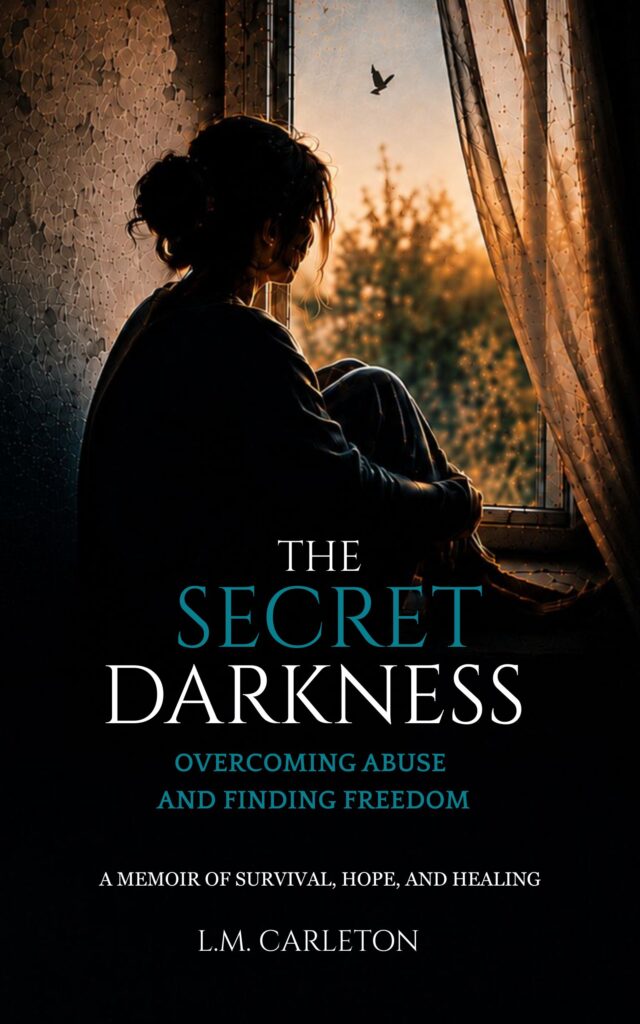
What started as an emotional release in 2015 eventually became The Secret Darkness: Overcoming Abuse and Finding Freedom.
Looking back, I can see that the ten years were about much more than writing a book. They included years of remembering, reflecting, processing emotions, grieving losses, discovering life lessons, and learning to share my story.
I learned not to rush the process.
A memoir doesn’t necessarily come together in a straight line. You may begin with one memory, move on to another, and discover connections you hadn’t recognized before. You may write a chapter, set it aside, and return months or even years later with a different understanding.
Allow your story to progress naturally.
Take your time with difficult memories. Give yourself room to acknowledge emotions, grieve what you’ve lost, and discover the lessons that have shaped your life.
Don’t become so focused on finishing the book that you overlook the importance of understanding the story you’re telling.
Most importantly, don’t let perfectionism or the fear of what others might think prevent you from finishing something meaningful.
Your memoir doesn’t have to be written in a few months or even a year. It takes as long as it takes.
For me, ten years.
And when I finally held the completed memoir in my hands, I realized that I had written much more than a collection of memories. I had written a story about where I had been, what I had endured, what I had learned, and the freedom I had discovered along the way.
Sometimes, the greatest challenge in writing a memoir isn’t finding the words to tell your story.
It’s finding the courage to revisit the past, understand what it means, and allow yourself to share it with the world.
You don’t have to rush your story. Give it the time it needs to become the story you were meant to tell.
Related Post: After Ten Years, The Secret Darkness Is Complete
Leave a Reply